

Water autonomy: the variable nobody was measuring… until now
In water reuse, the risk is not running out of water, but water ending up where we don’t want it.
→ Calculate the CWD for your area.
Anticipate breaches, extra intervention costs, or “silent overflow.”
1.Why measure CWD
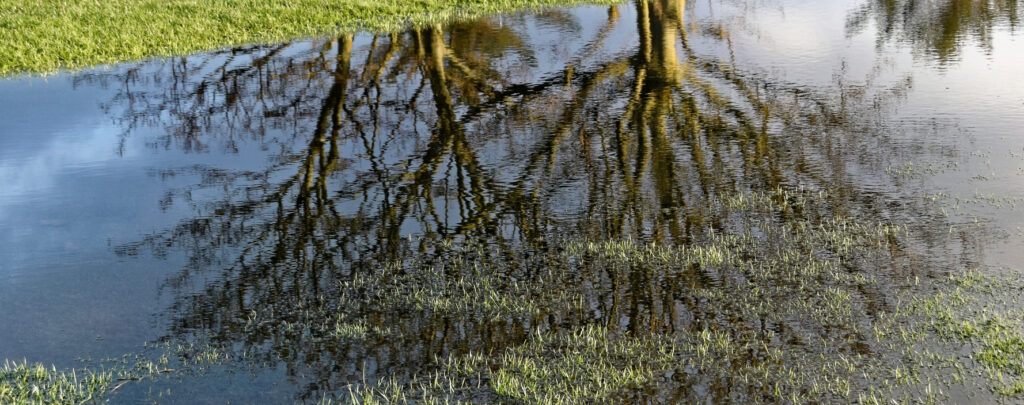
After several days of moisture, the soil can become saturated, preventing roots from breathing and promoting root asphyxiation.
Only from that point onwards do runoff and deep percolation occur.
To avoid unauthorised discharges, it is necessary to temporarily stop the water supply and manage its evacuation in a controlled manner.

We monitor Consecutive Wet Days to anticipate saturation and maintain the balance between soil, crop, and regulatory compliance.
Not everything that looks like irrigation is legally irrigation
Use within the property or private enclosure. No external discharge.
Legal framework: local/regional — more flexible.
Level of requirement: Low.
Ornamental irrigation or revegetation in public spaces.
Legal framework: regional or national regulations.
Level of requirement: Medium–High.
Environmental use or intentional groundwater recharge.
Legal framework: maximum requirement — RD 1084/2024 or equivalents.
Level of requirement: Very high, with advanced treatment and sampling.
2. Calculation and Design Criteria
CWD (Consecutive Wet Days): consecutive rainy days, an indicator to understand local rainfall patterns.